Cet article présente les services de personnalisation de marque privée OEM proposés par un fabricant de casques. Les clients n'ont pas besoin de concevoir des produits à partir de zéro ; ils sélectionnent simplement parmi les modèles certifiés, tandis que le fabricant gère les détails de la marque tels que l'emballage personnalisé, les marquages des cartons, les autocollants de coque, la marque de la doublure intérieure et les étiquettes des sangles.
Dans le secteur mondial concurrentiel du casque, les entreprises et les détaillants sont constamment à la recherche de solutions d'approvisionnement fiables, flexibles et rentables pour se démarquer sur le marché. Les produits de casque génériques et les services d'approvisionnement fragmentés ne peuvent plus répondre aux besoins personnalisés des marques et aux exigences opérationnelles stables des entreprises modernes. Pour résoudre ces problèmes de l'industrie, nous avons lancé une solution professionnelle de casque unique, couvrant la conception graphique personnalisée, la personnalisation exclusive des emballages et des services d'expédition stables garantis, aidant les clients mondiaux à rationaliser leurs processus d'approvisionnement, à accroître la compétitivité de la marque et à réduire les risques opérationnels.
Les casques intégraux sont connus depuis un certain temps comme le type de casque de moto le plus sûr. Ils couvrent la tête, le visage et le menton. Récemment, les marchés étrangers ont connu une augmentation de la demande de casques intégraux. Cette augmentation est due au fait que les règles de sécurité sont de plus en plus conscientes de la manière de rester en sécurité et aux changements dans ce que veulent les clients. Pour les distributeurs et les acheteurs en gros du monde entier connaissant ce changement, le marché peut les aider à ajuster leur gamme de produits et à trouver des opportunités de vendre. En tant que fabricant OEM et ODM de casques de moto expérimenté, nous suivons de près les changements du marché étranger pour fournir des solutions de casques certifiées bien adaptées pour les commandes groupées.
Sur le marché mondial concurrentiel des équipements de moto, les revendeurs et les grossistes recherchent toujours un équilibre entre une qualité de sécurité fiable, une capacité d'approvisionnement stable et des prix de gros rentables. De nombreux acheteurs en gros ont du mal à trouver des casques de moto conformes aux normes de sécurité internationales sans payer trop cher pour des configurations haut de gamme inutiles. Pour résoudre ce problème de l'industrie, notre usine lance une gamme complète de casques de moto économiques, offrant une solution d'approvisionnement ciblée et optimisée pour les revendeurs, grossistes et distributeurs de détail mondiaux.
Cet article illustre le flux de travail systématique de contrôle qualité dans notre ligne de production de casques de moto. Les procédures de contrôle qualité couvrent le test d'entrée des matières premières, l'inspection du premier article de la coque, le contrôle de la peinture de surface, la vérification de l'ajustement du revêtement EPS, l'échantillonnage aléatoire de sécurité contre les chocs en laboratoire et l'audit final avant expédition. Chaque maillon est conforme aux normes de sécurité ECE 22.06 et DOT. Les lots échoués seront suspendus pour réinspection afin de réduire les risques de défauts. Notre système de contrôle qualité multicouche aide les distributeurs étrangers et les acheteurs de marques à éviter les risques de non-conformité, les retenues douanières et les plaintes des clients, en fournissant des commandes de casques OEM et ODM de qualité stable avec des enregistrements de production fiables et un support après-vente.
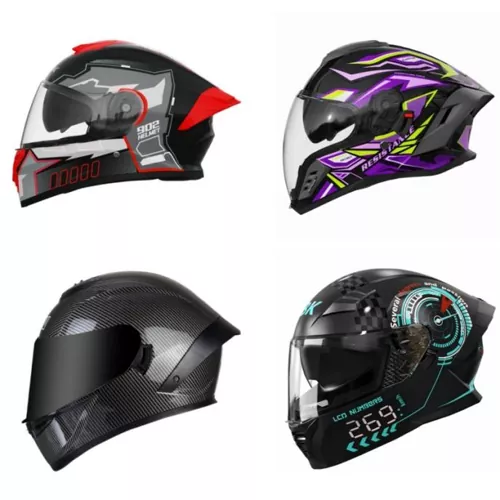
La culture mondiale de la moto continue de se développer, entraînant des changements constants dans les préférences des consommateurs pour les casques de moto. Sur la base des commentaires du marché provenant de partenaires européens, nord-américains, asiatiques du Sud-Est et australiens, nous avons trié les styles de casques les plus populaires et les principales demandes dominant le marché étranger en 2026. Ce rapport offre une référence pratique aux détaillants d'équipement, aux distributeurs et aux opérateurs de marque qui planifient de nouveaux achats et de nouvelles gammes de produits.
Nous utilisons des cookies pour vous offrir une meilleure expérience de navigation, analyser le trafic du site et personnaliser le contenu. En utilisant ce site, vous acceptez notre utilisation des cookies. politique de confidentialité


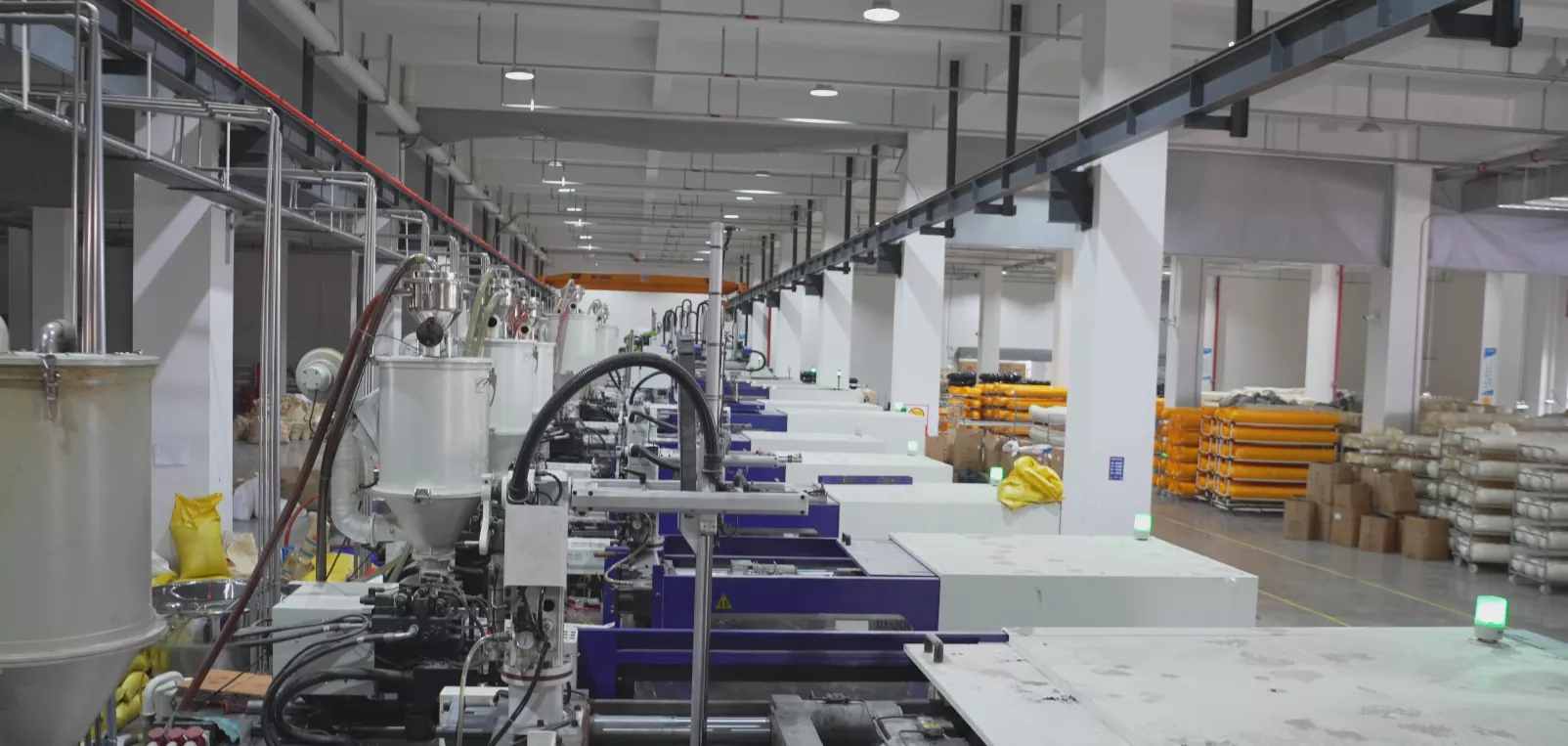 10 2026-10
 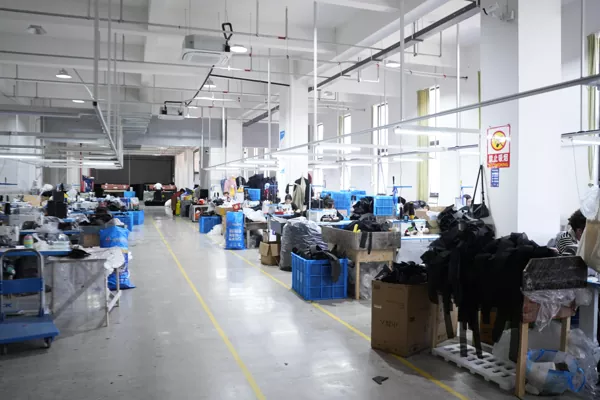 20 2026-09
 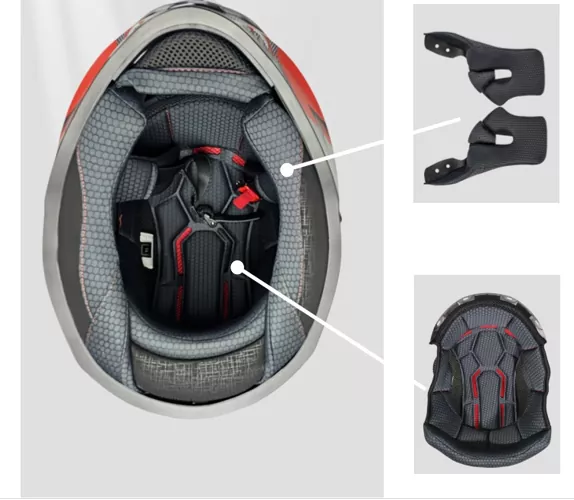 08 2026-09
  02 2026-09
 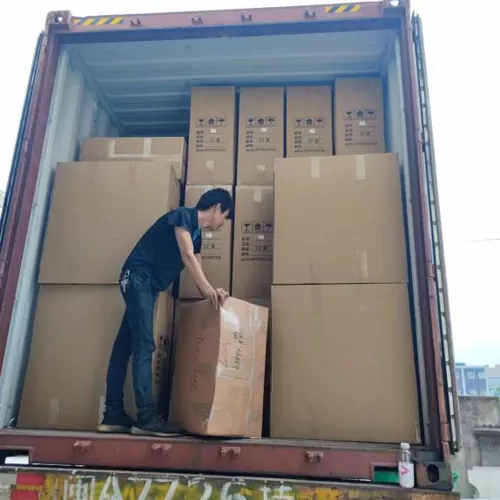 26 2026-08
  26 2026-08